ROYAL DOCKS, BECKTON and on to BARKING
Hhh


Gallions Point
Woolwich Manor Way cycle path
Porsche

Covelees
Oxleas
GALLIONS PRIMARY SCHOOL

Diversion: Winsor Terrace
GATES: the former entrance to the BECKTON GAS WORKS
these gates once led to the Beckton Gas Works
The disused remains of Beckton Gas Works were used to represent bombed-out Vietnam in certain scenes of the 1987 film Full Metal Jacket directed and produced by Stanley Kubrick.
Beckton Gasworks was once the largest gasworks in Europe, operating from 1870 until its closure in 1969, and is known for its significant industrial history in London. Today, the site is undergoing redevelopment and has a few remaining traces, including an area known as the "Beckton Alps" which was an artificial ski slope on the spoil heaps.
The plant was opened in 1870 by the Gas Light and Coke Company (GLCC). The name Beckton was given to the plant and the surrounding area of east London in honour of the company's governor Simon Adams Beck (1803-1883).[4] It came eventually to manufacture gas for most of London north of the Thames, with numerous smaller works being closed. Its counterpart south of the river was the South Metropolitan Gas Co's East Greenwich Gas Works on the Greenwich Peninsula.
After the Second World War a major reconstruction project was undertaken by the civil engineer T. P. O'Sullivan of Brian Colquhoun and Partners. Following nationalisation in 1949 the plant was owned by the North Thames Gas Board.
In 1949 Beckton was the largest gas works in the world, capable of producing a total of 119.12 million cubic feet of gas per day (3.37 million m3/day).[7] Over the next 20 years a series of upgrades to the works were undertaken: In 1952 a modern carburetted water gas plant was built, During 1957 a butane/air plant was built, In 1959 a catalytic reforming plant was commissioned. This used tail gases from the refineries at Coryton and Shell Haven, delivered by pipeline, In 1968 another large gas reforming plant was built.
The coal carbonisation plant at Beckton became uncompetitive with North Sea gas and was closed in 1969,
The plant had an extensive internal railway system of between 42 and 70 miles (68 and 113 kilometres)[12][1] and featured some unusual elevated sidings that also ran out on a number of piers into the Thames. The Beckton Railway provided a link to the national network at Custom House, used for passenger traffic to the works and for transport of by-products such as coal tar.
WINSOR. Without the D!
Frederick Albert Winsor (born Friedrich Albrecht Winzer) was a German inventor who was the primary force behind the establishment of the world's first public gas utility, the Gas Light and Coke Company. The company he founded eventually opened the massive Beckton Gas Works, which became the largest gas plant in the world.
The Gas Light and Coke Company(also known as the Westminster Gas Light and Coke Company, and the Chartered Gas Light and Coke Company),[1] was a company that made and supplied coal gas and coke. The headquarters of the company were located on Horseferry Road in Westminster, Middlesex. It is identified as the original company from which British Gas plc is descended
In 1807, Winsor successfully lit one side of Pall Mall with gas lamps, demonstrating the technology's potential for public use: He was a founder of the Gas Light and Coke Company, which received its Royal Charter in 1812, shortly after Winsor left for Paris.
You carry on on the cicleway, crossing the Greenway
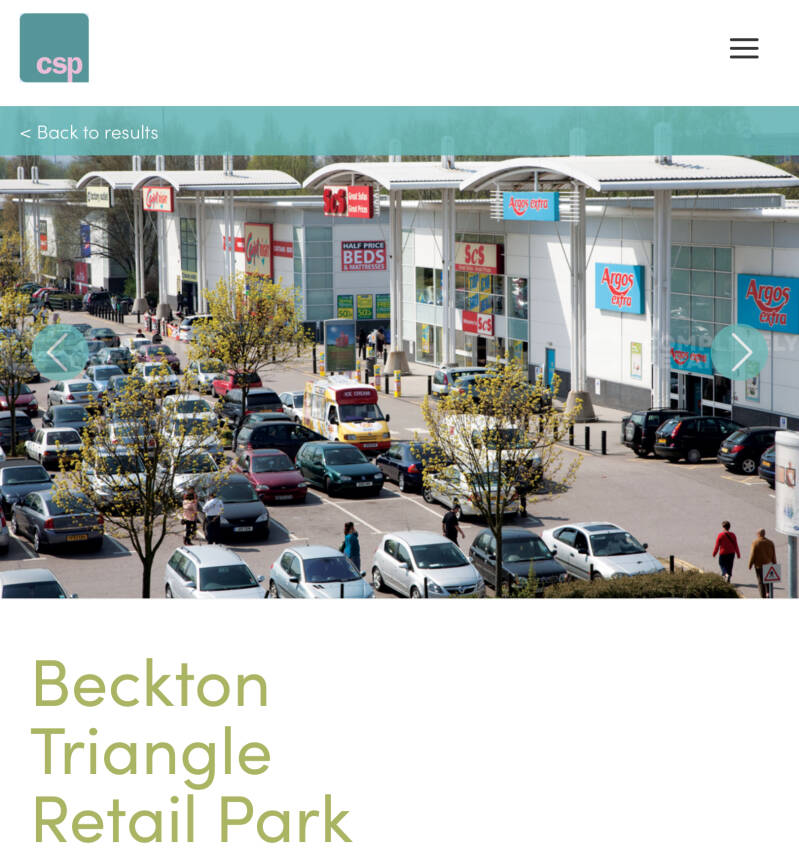
Gateway Retail Park and Beckton Triangle Retail Park
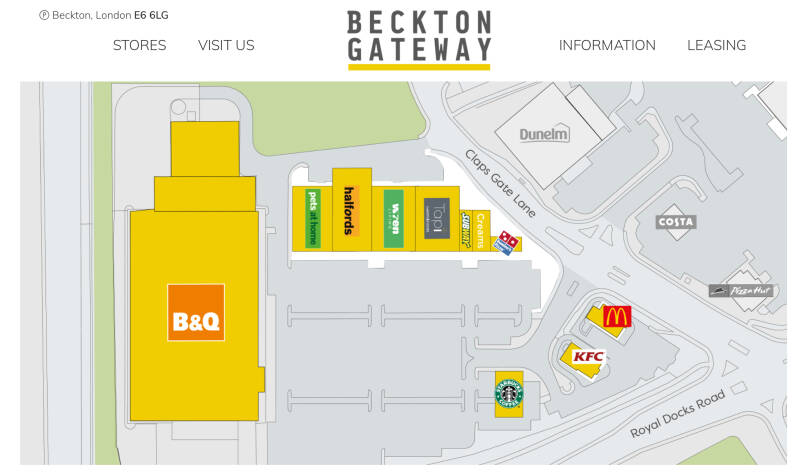
Cross Royal DOCKS Road
Eric Clark Lane
Jenkins Lane
REFUSE TRANSFER STATION


BECKTON SEWAGE TREATMENT WORKS
Beckton Sewage Treatment Works, formerly known as Barking Sewage Works, is a large sewage treatment plant in Beckton in the east London Borough of Newham, operated by Thames Water.
Since construction first began in 1864, the plant has been extended numerous times and now covers over 100 hectares (250 acres) – the largest sewage treatment works in Europe [disputed, Seine Aval in Paris also claims to be biggest].
It treats wastewater arriving from the Northern Outfall Sewer and the Lee Tunnel, serving a large portion of London north of the River Thames.
The treated effluent from the plant is discharged into the Thamesat the southeast corner of the site, adjacent to Barking Creek
Sewage-treatment works were first established at Beckton in 1864 as part of Joseph Bazalgette's scheme to remove sewage (and hence reduce disease) from London by creating two large sewers from the capital, one on each side of the Thames and known as the Southern and Northern Outfall Sewers. In addition to the sewage from the Northern Outfall sewer, the Becton treatment works also received sewage from a pumping station at North Woolwich
As originally conceived in 1864, the works comprised reservoirs covering 3.8 hectares designed to retain six hours' flow of sewage. No sewage treatment was provided, and the sewage was discharged on the ebb tide.[4] The presence of raw sewagecontributed to the high death toll in the 1878 Princess Alicedisaster, when over 600 died in Britain's worst inshore shipping tragedy. Following the disaster, a Royal Commission was appointed in 1882 to examine metropolitan sewage disposal. It recommended that a precipitation process should be deployed to separate solids from liquids, and that the solids should be burned, applied to land, or dumped at sea

Fleet Road
METROPOLITAN POLICE CUSTODY CENTRE
A police custody centre, also known as a custody suite, is a secure facility within a police station where individuals are detained after being arrested. It is used to hold people during the investigation process, allowing police to conduct interviews, take biometric data, and make decisions on whether to charge, release, or bail the person.
Hand Trough Creek
River Roding
From its confluence at the Thames it is usually known as Barking Creek, a winding, tidal waterway. Once it reaches Barking it becomes the River Roding proper. This is one of west Essex’s more noted rivers and rises near Dunmow, before passing through the Roding villages, then Ongar, Abridge and Redbridge.
For around a century the river was easily navigable as far as Ilford bridge. Today it is only useable as far as Barking town wharf, and somewhat further north with great care on higher tides. Boats have made it to Ilford but it is not an easy task and the river from a point above the Fenchurch Street and District Lines crossing is now at best solely for the use of canoes.
BARKING BARRAGE. BRIDGE

Welcome to Barking